What are the common signs of mold?
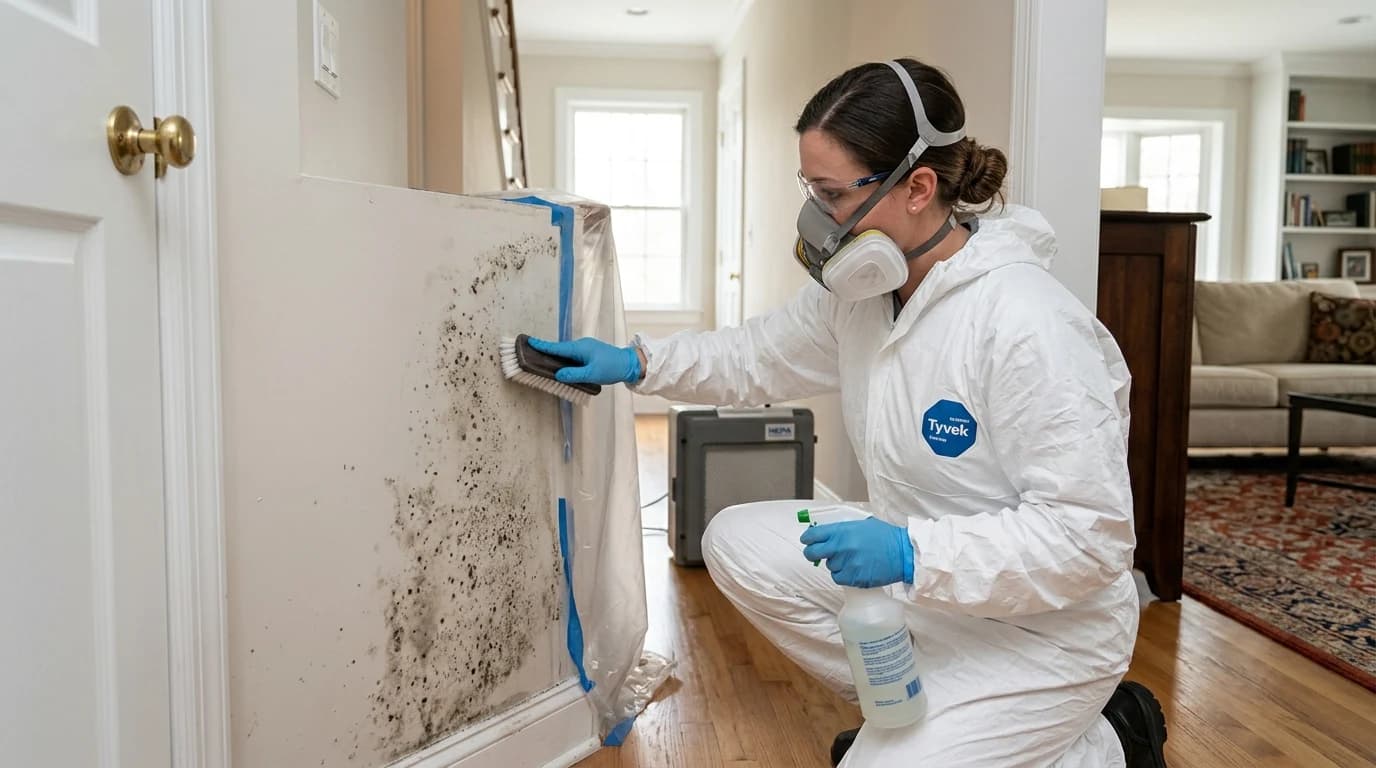
Mold can manifest in various ways, and recognizing these signs early can prevent extensive damage. Look for discoloration on walls, a musty odor, or persistent respiratory symptoms among family members. These subtle indicators might be the first signs of a mold problem. Mold often appears as black, green, or even white patches, and can sometimes look fuzzy or slimy, depending on the type. Regular inspection of areas prone to moisture, such as bathrooms, basements, and even attics, is crucial in Saddle River's climate. In addition to visual signs, pay attention to any unusual smells that linger in certain areas of your home, especially after cleaning or airing out a room. If you notice any of these signs, consider scheduling a professional mold assessment. Mold can be deceptive, hiding behind wallpaper, under carpets, or within HVAC systems, making professional evaluation necessary for peace of mind and health safety.
Why is early detection important?
Early detection of mold is vital as it can save homeowners from costly repairs and potential health issues. Mold can spread rapidly, affecting structural integrity and air quality. By identifying mold early, you can avoid these problems and ensure a safe living environment. Mold spores can easily travel through the air and settle on various surfaces, leading to widespread contamination if not addressed swiftly. Health-wise, mold exposure can trigger allergic reactions, asthma attacks, and other respiratory issues, particularly in children and the elderly. In addition, prolonged exposure can lead to more severe health problems, emphasizing the importance of early detection. Financially, catching a mold problem early can mean the difference between a simple cleanup and a major renovation. Saddle River residents should be proactive and seek professional advice if they suspect mold growth. For more information on our services, visit our services page.
How can I inspect my home for mold?
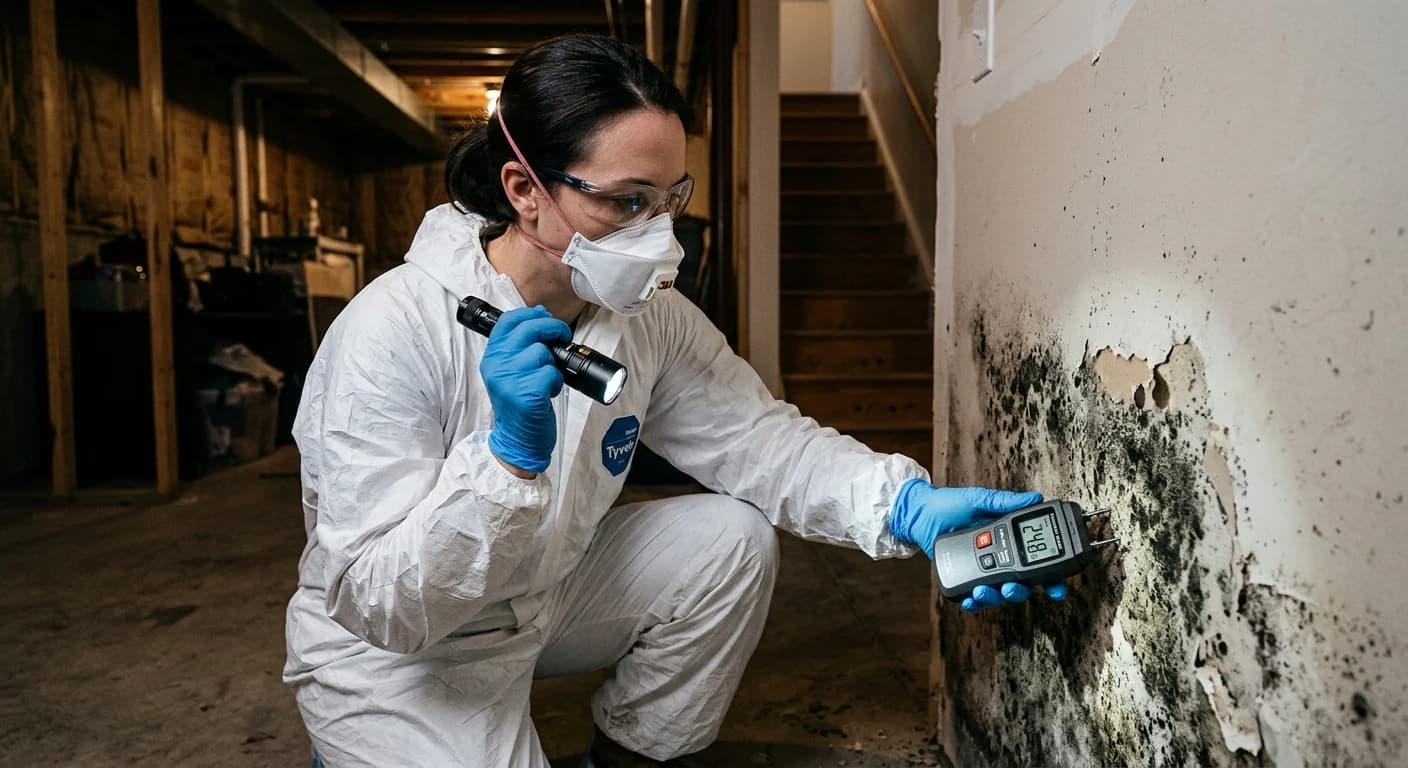
Inspecting your home for mold involves checking areas with high moisture levels, such as under sinks, around window sills, and in basements. Use a flashlight to examine hard-to-see spots and a moisture meter to check for hidden humidity. Start by examining your home's exterior for signs of water damage or poor drainage, which can lead to moisture intrusion. Inside, look for water stains on ceilings and walls, bubbling paint, or warped wood, which can all indicate hidden mold. Pay special attention to areas around plumbing fixtures, as leaks often lead to mold growth. In bathrooms, check grout lines, caulk, and ventilation fans for cleanliness and function. In basements, inspect corners, storage areas, and near sump pumps for dampness or musty odors. If you find any suspicious growth, it's best to consult with a mold expert to evaluate the extent of the contamination. Professionals can perform air quality tests and use infrared cameras to detect moisture behind walls and ceilings, ensuring a thorough inspection. Regular maintenance, such as cleaning gutters, sealing leaks, and using dehumidifiers, can also help prevent mold growth.
What tools and products can help in mold prevention?
Preventing mold in your home requires a proactive approach, utilizing both tools and products designed to control moisture and improve air quality. Dehumidifiers are essential, particularly in basements and other damp areas, as they help maintain optimal humidity levels below 60%, reducing the likelihood of mold growth. Consider investing in a hygrometer, a simple device that measures humidity levels, allowing you to monitor and adjust conditions as needed. For areas prone to moisture, such as bathrooms and kitchens, exhaust fans can significantly enhance ventilation, expelling humid air and reducing condensation. When it comes to cleaning, using mold-resistant products can make a difference. Opt for mold-inhibiting paints and sealants for walls and ceilings, especially in moisture-prone areas. Regularly clean with mold-killing solutions, such as those containing vinegar or hydrogen peroxide, to eliminate any potential spores on surfaces. Additionally, ensure that your HVAC system is well-maintained, with clean filters to prevent mold spores from circulating throughout your home. By combining these tools and products with regular maintenance and vigilance, you can effectively reduce the risk of mold development in your home.
When should you call in a professional?
Knowing when to call in a professional for mold issues is crucial to effectively address the problem and protect your home and health. If you notice persistent musty odors, see extensive mold growth, or experience unexplained health symptoms, it's time to seek expert help. Professionals have the expertise and equipment to accurately assess the extent of mold contamination and identify hidden sources that might be missed during a DIY inspection. For instance, if mold is suspected behind walls or within HVAC systems, specialized tools like infrared cameras and air quality tests are necessary to evaluate the situation thoroughly. Additionally, if mold covers an area larger than 10 square feet, professional remediation is recommended to ensure safe and thorough removal. Mold experts can also provide guidance on preventing future outbreaks by identifying and addressing underlying moisture issues, such as leaks or inadequate ventilation. In NJ, where humidity levels can fluctuate, professional advice can be invaluable in maintaining a mold-free environment. Ultimately, timely professional intervention not only mitigates current issues but also helps prevent costly repairs and health risks down the line.
How to Prevent Mold After Water Damage
Water damage is a common precursor to mold growth, making it essential to act quickly to prevent mold after such incidents. Start by thoroughly drying the affected area within 24 to 48 hours, using fans and dehumidifiers to speed up the process. Remove any soaked materials, such as carpets, rugs, and upholstery, as they can retain moisture and promote mold growth. Inspect walls and floors for hidden moisture, which can seep into cracks and crevices, making professional moisture detection tools invaluable. For hard surfaces, clean with a mixture of water and detergent, ensuring all residues are wiped away. It’s also crucial to fix any leaks or structural issues that caused the water damage in the first place, such as broken pipes or roof leaks. Consider applying mold-resistant products, like sealants and paints, to areas prone to moisture. Regularly check these areas for signs of dampness or mold, and maintain proper ventilation throughout your home to discourage mold-friendly conditions. By addressing water damage promptly and thoroughly, you can significantly reduce the risk of mold development, protecting both your health and property.
Understanding Mold Types and Their Risks
Different types of mold can pose various risks, making it important to understand what you might be dealing with. Common molds like Cladosporium, Penicillium, and Aspergillus are often found indoors and can cause allergic reactions and respiratory issues. Stachybotrys chartarum, also known as black mold, is less common but more concerning due to its potential to produce mycotoxins, which can lead to severe health problems. Identifying the type of mold in your home can help determine the appropriate course of action. While some molds can be managed with proper cleaning and ventilation, others may require professional remediation to ensure safe removal. Mold testing kits are available for preliminary identification, but professional testing provides more accurate results. Understanding mold types also aids in prevention strategies, as certain molds thrive in specific conditions. For instance, Penicillium often grows on water-damaged materials, while Aspergillus can thrive in dusty, unventilated areas. By recognizing the different molds and their environments, you can tailor your prevention efforts to effectively mitigate risks and maintain a healthy living space.