What factors determine mold removal duration?
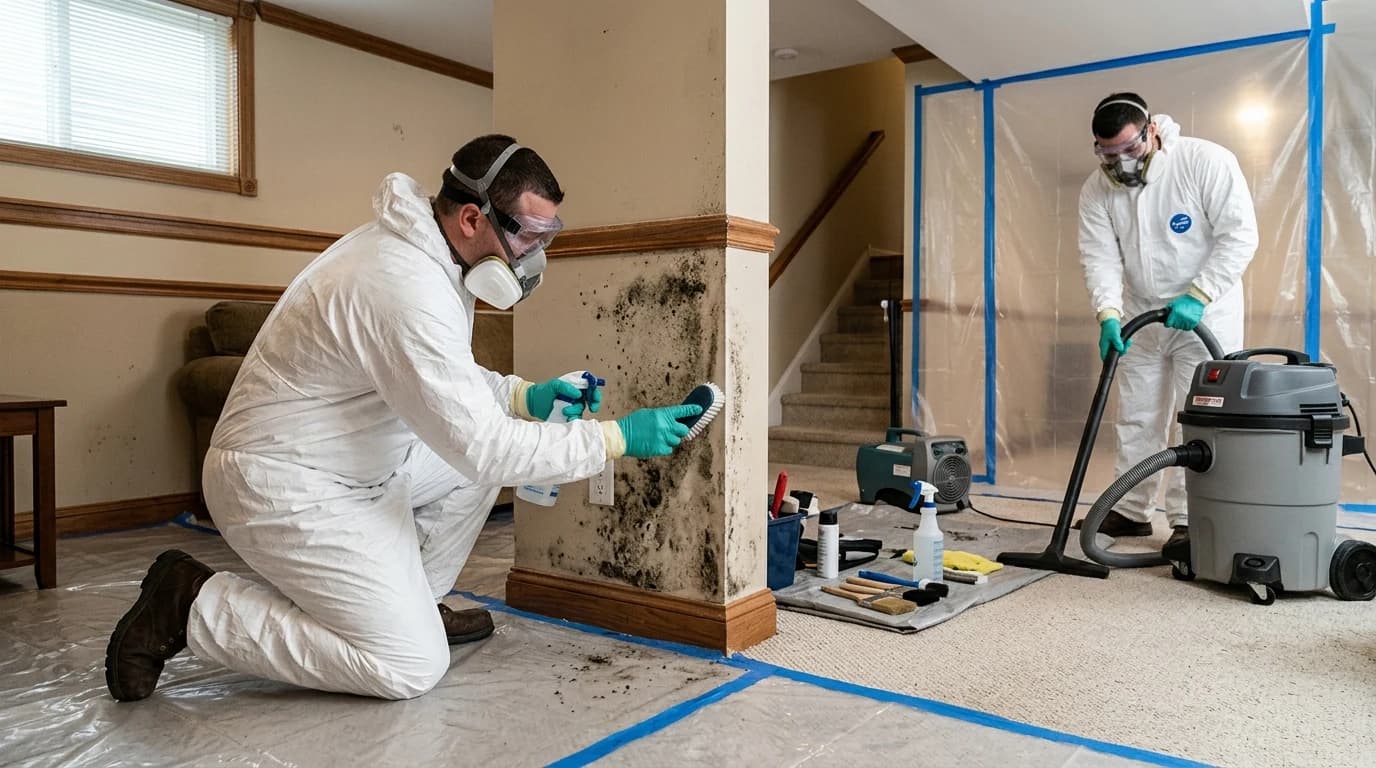
The time it takes to remove mold depends on several factors, including the extent of growth, the type of mold, and the affected area. Larger infestations or those spread across multiple rooms will naturally require more time. For example, a small patch of mold on a bathroom wall might only take a few hours to treat, whereas an infestation covering an entire basement could take several days. The type of materials affected, such as wood or drywall, can also impact the duration. Mold on porous materials like drywall often requires more extensive remediation efforts compared to non-porous surfaces like tile. Additionally, the type of mold is crucial; black mold, or Stachybotrys chartarum, is typically more challenging to remove due to its potential health hazards, requiring more stringent safety measures. Environmental conditions, such as humidity levels, also play a role; high humidity can accelerate mold growth, thereby prolonging the removal process. A professional assessment is crucial to determine the specific needs of your situation. Professionals will evaluate the severity of the infestation, identify the mold species, and assess environmental factors to develop a tailored removal plan.
What are the steps involved in mold removal?
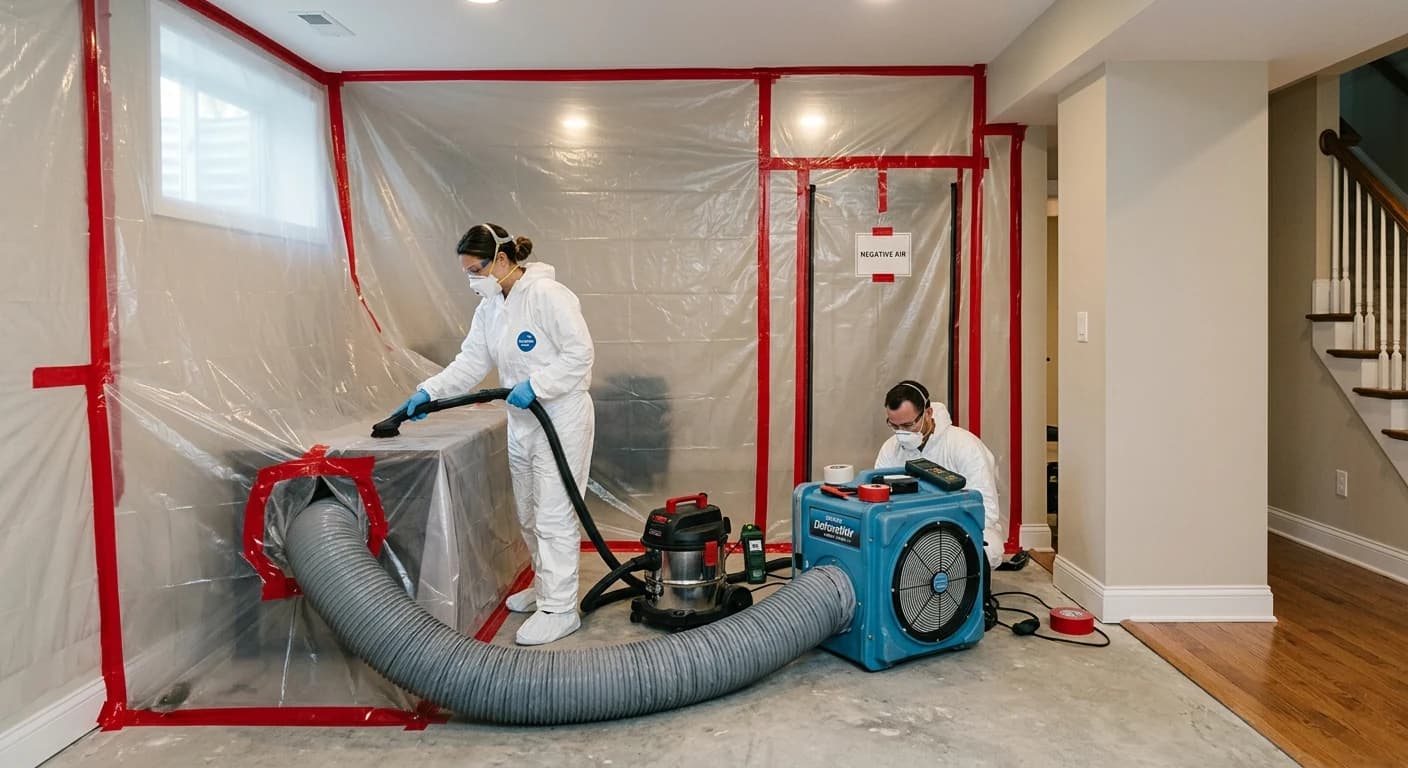
Mold removal typically involves several steps: initial assessment, containment, air filtration, mold removal, cleaning, and restoration. Each step is crucial for ensuring complete eradication. During the initial assessment, professionals will inspect the affected areas to determine the extent of the infestation and identify the mold species. Containment is the next step, where barriers are set up with plastic sheeting to prevent spores from spreading to other parts of the home. This is particularly important in multi-room infestations or when dealing with toxic mold types. Air filtration involves using specialized equipment, like HEPA filters, to clean the air of harmful particles. This step helps to reduce airborne spores that could otherwise settle and cause new growth. The actual mold removal process can vary depending on the materials involved; for example, affected drywall may need to be removed and replaced, while non-porous surfaces can be cleaned with antimicrobial treatments. Cleaning involves meticulous washing and sanitization of the affected areas and adjacent surfaces to ensure no spores remain. Restoration is the final step, where any structural damage is repaired, and the area is restored to its original state. Professionals in NJ follow these procedures to ensure thorough removal and prevent future growth, often incorporating moisture control measures to prevent recurrence.
How can I prepare for professional mold removal?
Preparing for mold removal involves clearing the affected areas, ensuring easy access for professionals, and protecting personal belongings from contamination. Start by removing furniture and personal items from the affected zone to prevent damage or contamination. If moving items is not feasible, consider covering them with plastic sheets. Ensuring easy access to the area allows professionals to set up equipment and containment barriers efficiently. It's also important to secure pets and children away from the work area to prevent any health risks. Communicate with the mold removal team about any specific concerns or questions you might have, as they can provide additional instructions tailored to your situation. Understanding the process can also help set realistic expectations regarding timelines and disruptions. For instance, if the mold is in a frequently used area like the kitchen or bathroom, plan alternative arrangements for a few days. Additionally, reducing indoor humidity by using dehumidifiers or ensuring proper ventilation can help minimize mold spread before and during the removal process. For more detailed steps on preparing for mold removal and to learn about our comprehensive services, visit our services page.
What should you do after mold removal?
Once the mold removal process is complete, it's essential to take steps to prevent future mold growth. Start by addressing any underlying moisture issues that may have contributed to the infestation, such as leaks or poor ventilation. Regularly check for signs of water damage in vulnerable areas like basements, attics, and bathrooms. Installing a dehumidifier can help maintain optimal humidity levels, ideally between 30-50%, to inhibit mold growth. Regular cleaning and maintenance are also crucial. Use mold-resistant products, such as paints and sealants, in areas prone to moisture exposure. It’s wise to conduct periodic inspections, especially during wet seasons, to catch any early signs of mold. Consider using air purifiers with HEPA filters to continually cleanse the air of spores. If you live in a region like Saddle River, NJ, where humidity can be high, these preventive measures are even more critical. Educate your household members about the importance of ventilation, particularly after activities that generate moisture, like cooking or showering. By implementing these practices, you can significantly reduce the risk of mold returning, ensuring a healthier indoor environment.
When is it necessary to call in professionals for mold removal?
Deciding when to call in professionals for mold removal can be challenging, but there are clear indicators that professional intervention is necessary. If you notice a persistent musty odor or visible mold growth covering more than 10 square feet, it's time to seek expert help. Mold that is hidden behind walls or beneath floors often requires specialized equipment to detect and remove. If household members experience unexplained health issues like allergies, respiratory problems, or skin irritation, these could be signs of a mold problem that requires a professional assessment. Additionally, if previous DIY removal efforts have failed, professional services can ensure comprehensive eradication. Professionals have the expertise to identify the mold species and understand the specific safety precautions needed, particularly for toxic varieties like black mold. They also utilize advanced techniques and tools, such as infrared cameras for moisture detection and industrial-grade dehumidifiers for drying affected areas. By hiring professionals, you can ensure that the mold is not only removed but that the root cause is addressed, preventing future occurrences. Their experience in dealing with complex cases means they can restore your home safely and efficiently, providing peace of mind.
How to Choose the Right Mold Removal Service
Selecting the right mold removal service is crucial for ensuring that the job is done effectively and safely. Start by researching local companies with a solid reputation in mold remediation. Look for companies with certifications from reputable organizations like the Institute of Inspection, Cleaning and Restoration Certification (IICRC) or the National Organization of Remediators and Mold Inspectors (NORMI). These certifications indicate that the company adheres to industry standards and employs trained professionals. Reading customer reviews and testimonials can provide insight into the company's reliability and quality of service. It's also important to verify that the company is insured and bonded, which protects you in case of any accidents or damages during the remediation process. During the initial consultation, ask about their process, including the steps they take to contain and remove mold, the equipment they use, and how they handle post-remediation testing. A reputable company will offer a detailed plan tailored to your specific situation and provide a clear estimate of the costs involved. Additionally, inquire about the warranty or guarantee they offer for their services, as this can provide peace of mind that the mold won't return. By taking these steps, you can select a mold removal service that meets your needs and ensures a safe and thorough remediation process.
Understanding the Costs of Mold Removal
Mold removal costs can vary significantly depending on several factors, including the size of the infestation, the type of mold, and the location of the affected area. On average, homeowners can expect to pay anywhere from a few hundred to several thousand dollars for professional mold remediation. For smaller infestations, such as those confined to a single room or a small section of a wall, costs might be on the lower end. However, larger infestations that affect multiple rooms or require extensive structural repairs can increase the overall expense. The type of mold also plays a role; for instance, black mold often requires more stringent safety measures and specialized equipment, which can add to the cost. Geographic location can influence pricing as well, with areas like Saddle River, NJ, potentially seeing higher costs due to regional demand and local labor rates. To get a clear understanding of potential costs, it’s advisable to obtain estimates from multiple companies. Ensure these estimates are detailed and include all aspects of the remediation process, from initial assessment and containment to removal and post-remediation testing. By understanding the factors that influence mold removal costs, homeowners can budget appropriately and select a service that offers both quality and value.