What are the structural risks of untreated mold?
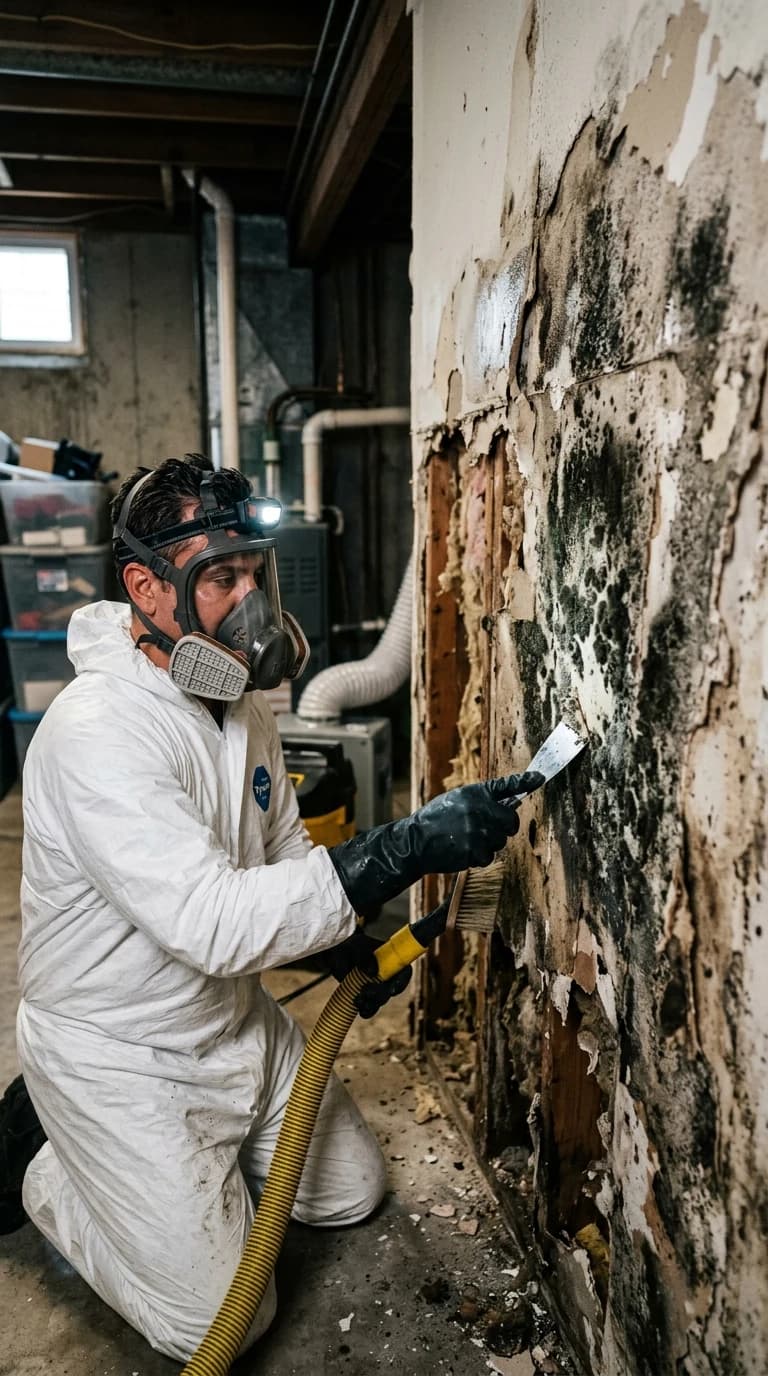
Mold can severely damage the structural integrity of your home if left untreated. It feeds on organic materials, including wood and drywall, leading to rot and weakening of these structures. This is particularly concerning in older homes in NJ, where mold can go unnoticed behind walls or under flooring. Regular home inspections can help identify these issues before they escalate.
When mold invades the structural components of a house, it can compromise the safety and stability of the building. Wooden beams, floor joists, and wall studs are particularly vulnerable as mold breaks down cellulose, which is a primary component of wood. Over time, this degradation can lead to sagging floors, warped walls, and even collapse in severe cases.
In addition to wood, mold can also affect other materials such as insulation and paint. Mold growth on insulation reduces its effectiveness, leading to higher energy bills as your heating and cooling systems work harder to maintain temperature. Furthermore, mold can cause paint to bubble, peel, and discolor, leading to unsightly walls and ceilings that may require costly repairs.
Homeowners can take proactive steps by ensuring proper ventilation in areas prone to moisture, such as bathrooms, basements, and kitchens. Installing exhaust fans, repairing leaks promptly, and using dehumidifiers can significantly reduce the risk of mold growth. Regular maintenance and inspections by professionals can uncover hidden mold issues before they become major problems.
When mold invades the structural components of a house, it can compromise the safety and stability of the building. Wooden beams, floor joists, and wall studs are particularly vulnerable as mold breaks down cellulose, which is a primary component of wood. Over time, this degradation can lead to sagging floors, warped walls, and even collapse in severe cases.
In addition to wood, mold can also affect other materials such as insulation and paint. Mold growth on insulation reduces its effectiveness, leading to higher energy bills as your heating and cooling systems work harder to maintain temperature. Furthermore, mold can cause paint to bubble, peel, and discolor, leading to unsightly walls and ceilings that may require costly repairs.
Homeowners can take proactive steps by ensuring proper ventilation in areas prone to moisture, such as bathrooms, basements, and kitchens. Installing exhaust fans, repairing leaks promptly, and using dehumidifiers can significantly reduce the risk of mold growth. Regular maintenance and inspections by professionals can uncover hidden mold issues before they become major problems.
How does untreated mold affect health?
Health risks associated with untreated mold can range from minor allergic reactions to severe respiratory issues. Mold spores can trigger asthma attacks, cause allergic reactions, and lead to chronic sinus infections. Vulnerable groups such as infants, the elderly, and those with pre-existing conditions are at greater risk. If you're experiencing unexplained health issues, consider contacting a professional to assess your home for mold.
Mold exposure primarily affects the respiratory system, as mold spores are microscopic and easily inhaled. Once inhaled, these spores can irritate the airways, leading to symptoms such as coughing, sneezing, and a runny nose. For individuals with asthma, mold exposure can trigger severe attacks, making it difficult to breathe and requiring medical intervention.
Beyond respiratory issues, prolonged exposure to mold can also affect mental health. Some studies suggest a correlation between mold exposure and depression, anxiety, and fatigue. The constant exposure to mold spores can lead to a weakened immune system, making individuals more susceptible to infections and other illnesses.
To protect your health, it's crucial to address any signs of mold promptly. This includes visible mold growth, musty odors, and unexplained health symptoms. Consult with healthcare professionals and mold remediation experts to ensure a comprehensive approach to resolving mold issues in your home. Regular cleaning and maintaining low indoor humidity levels can also help prevent mold growth.
Mold exposure primarily affects the respiratory system, as mold spores are microscopic and easily inhaled. Once inhaled, these spores can irritate the airways, leading to symptoms such as coughing, sneezing, and a runny nose. For individuals with asthma, mold exposure can trigger severe attacks, making it difficult to breathe and requiring medical intervention.
Beyond respiratory issues, prolonged exposure to mold can also affect mental health. Some studies suggest a correlation between mold exposure and depression, anxiety, and fatigue. The constant exposure to mold spores can lead to a weakened immune system, making individuals more susceptible to infections and other illnesses.
To protect your health, it's crucial to address any signs of mold promptly. This includes visible mold growth, musty odors, and unexplained health symptoms. Consult with healthcare professionals and mold remediation experts to ensure a comprehensive approach to resolving mold issues in your home. Regular cleaning and maintaining low indoor humidity levels can also help prevent mold growth.
Why is timely mold removal essential?
Prompt mold removal is essential to prevent both health and structural issues. Delays in addressing mold growth can lead to increased repair costs and prolonged exposure risks. It's advisable to consult experts like Saddle River Mold Removal to address the issue efficiently. For inquiries, reach out to us through our contact page.
Timely mold removal not only protects your health and home but also safeguards your financial investment. The longer mold is allowed to grow, the more extensive the damage it can cause. This often translates into more costly repairs, as entire sections of walls, floors, or ceilings may need to be replaced. Additionally, mold can reduce the value of your property, as potential buyers may be wary of homes with a history of mold problems.
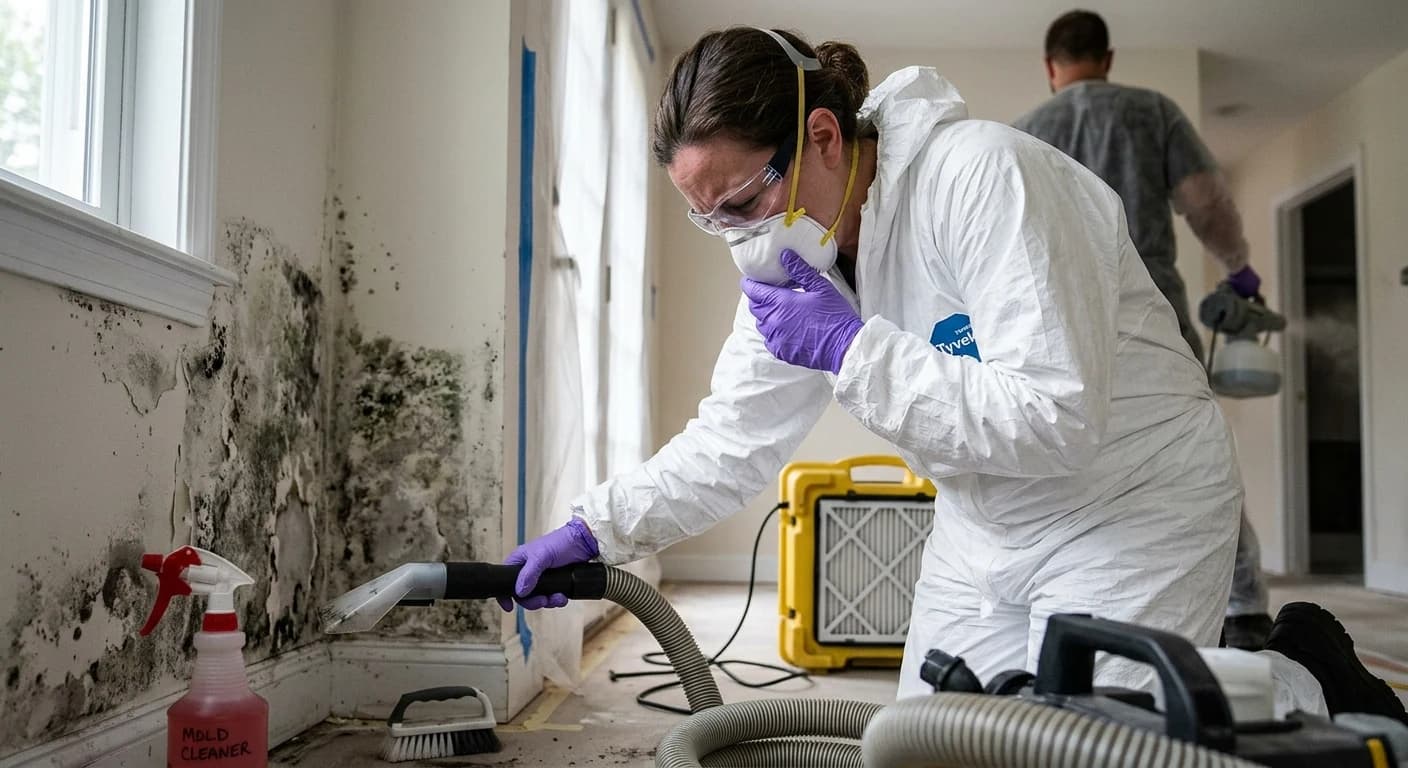
The process of mold removal typically involves several steps, including identifying the source of moisture, containing the mold to prevent further spread, removing affected materials, and thoroughly cleaning and sanitizing the area. Professionals may also use specialized equipment like HEPA filters and vacuums to ensure all mold spores are removed from the environment.
Homeowners can take preventive measures by conducting regular checks for leaks, ensuring proper drainage around the home, and using mold-resistant building materials in areas prone to moisture. Educating yourself about the signs of mold and understanding the importance of immediate action can make a significant difference in maintaining a healthy and safe living environment.
Timely mold removal not only protects your health and home but also safeguards your financial investment. The longer mold is allowed to grow, the more extensive the damage it can cause. This often translates into more costly repairs, as entire sections of walls, floors, or ceilings may need to be replaced. Additionally, mold can reduce the value of your property, as potential buyers may be wary of homes with a history of mold problems.
The process of mold removal typically involves several steps, including identifying the source of moisture, containing the mold to prevent further spread, removing affected materials, and thoroughly cleaning and sanitizing the area. Professionals may also use specialized equipment like HEPA filters and vacuums to ensure all mold spores are removed from the environment.
Homeowners can take preventive measures by conducting regular checks for leaks, ensuring proper drainage around the home, and using mold-resistant building materials in areas prone to moisture. Educating yourself about the signs of mold and understanding the importance of immediate action can make a significant difference in maintaining a healthy and safe living environment.
What are the financial implications of untreated mold?
Leaving mold untreated can have significant financial repercussions for homeowners. Initially, mold may seem like a minor issue, but as it spreads, the cost of remediation can skyrocket. Mold-infested areas often require extensive repairs, including replacing drywall, flooring, and insulation. These repairs are not only costly but also time-consuming, potentially displacing families for extended periods.
Moreover, untreated mold can decrease the value of your property. Potential buyers are often wary of homes with mold issues, fearing health risks and further structural damage. This can lead to prolonged time on the market and lower offers. In severe cases, mold can render a property uninsurable, further complicating sales and refinancing efforts.
Insurance policies may not always cover mold damage, especially if it results from neglect or lack of maintenance. Homeowners in areas like Saddle River should carefully review their insurance policies to understand the coverage limits and exclusions related to mold. Investing in regular home inspections and maintenance can help prevent mold growth, saving money in the long run.
Ultimately, addressing mold issues promptly not only protects your home but also preserves its market value. By taking immediate action, homeowners can avoid the financial burden associated with extensive mold damage.
Moreover, untreated mold can decrease the value of your property. Potential buyers are often wary of homes with mold issues, fearing health risks and further structural damage. This can lead to prolonged time on the market and lower offers. In severe cases, mold can render a property uninsurable, further complicating sales and refinancing efforts.
Insurance policies may not always cover mold damage, especially if it results from neglect or lack of maintenance. Homeowners in areas like Saddle River should carefully review their insurance policies to understand the coverage limits and exclusions related to mold. Investing in regular home inspections and maintenance can help prevent mold growth, saving money in the long run.
Ultimately, addressing mold issues promptly not only protects your home but also preserves its market value. By taking immediate action, homeowners can avoid the financial burden associated with extensive mold damage.
How to prevent mold growth effectively?
Preventing mold growth is crucial for maintaining a healthy home environment. One of the most effective strategies is controlling moisture levels, as mold thrives in damp conditions. Start by addressing any leaks in plumbing, roofs, or windows promptly. Ensure that your home's drainage systems are functioning correctly to prevent water accumulation around the foundation.
Ventilation plays a key role in mold prevention. Use exhaust fans in bathrooms, kitchens, and laundry rooms to reduce humidity. In areas prone to moisture, such as basements, consider installing a dehumidifier to maintain optimal humidity levels. Aim to keep indoor humidity below 60%, as higher levels can encourage mold growth.
Regular cleaning can also prevent mold. Use mold-inhibiting cleaners in bathrooms and kitchens, and ensure that areas prone to dampness are kept dry and clean. If you notice condensation on windows or walls, wipe it away immediately to prevent mold spores from taking hold.
Additionally, consider using mold-resistant building materials in areas susceptible to moisture. These materials, such as mold-resistant drywall and paints, can provide an extra layer of protection. By being proactive and vigilant about moisture control, homeowners can effectively prevent mold growth and maintain a safe, healthy living environment.
Ventilation plays a key role in mold prevention. Use exhaust fans in bathrooms, kitchens, and laundry rooms to reduce humidity. In areas prone to moisture, such as basements, consider installing a dehumidifier to maintain optimal humidity levels. Aim to keep indoor humidity below 60%, as higher levels can encourage mold growth.
Regular cleaning can also prevent mold. Use mold-inhibiting cleaners in bathrooms and kitchens, and ensure that areas prone to dampness are kept dry and clean. If you notice condensation on windows or walls, wipe it away immediately to prevent mold spores from taking hold.
Additionally, consider using mold-resistant building materials in areas susceptible to moisture. These materials, such as mold-resistant drywall and paints, can provide an extra layer of protection. By being proactive and vigilant about moisture control, homeowners can effectively prevent mold growth and maintain a safe, healthy living environment.
What are the environmental impacts of untreated mold?
Untreated mold doesn't just affect your home and health; it also has broader environmental implications. Mold spores can spread through the air, affecting outdoor air quality and potentially spreading to other areas of your property or neighboring homes. This airborne spread can contribute to environmental pollution, especially in densely populated areas like Saddle River, where homes are closer together.
Mold thrives in moist environments, and its presence often indicates underlying water issues. These issues can lead to water wastage, as leaks and poor drainage go unaddressed. This not only impacts your water bill but also strains local water resources. Addressing mold promptly can help conserve water by identifying and fixing leaks early.
Moreover, the materials used to remediate mold, such as harsh chemicals and non-biodegradable materials, can have environmental consequences. When mold damage is extensive, it may require the disposal of large amounts of building materials, contributing to landfill waste. To mitigate these effects, consider using eco-friendly mold remediation techniques and materials whenever possible.
By taking a proactive approach to mold prevention and remediation, homeowners can reduce their environmental footprint. This includes regular maintenance to prevent water leaks, using environmentally friendly cleaning products, and opting for sustainable building materials. These steps not only protect your home but also contribute to a healthier environment.
Mold thrives in moist environments, and its presence often indicates underlying water issues. These issues can lead to water wastage, as leaks and poor drainage go unaddressed. This not only impacts your water bill but also strains local water resources. Addressing mold promptly can help conserve water by identifying and fixing leaks early.
Moreover, the materials used to remediate mold, such as harsh chemicals and non-biodegradable materials, can have environmental consequences. When mold damage is extensive, it may require the disposal of large amounts of building materials, contributing to landfill waste. To mitigate these effects, consider using eco-friendly mold remediation techniques and materials whenever possible.
By taking a proactive approach to mold prevention and remediation, homeowners can reduce their environmental footprint. This includes regular maintenance to prevent water leaks, using environmentally friendly cleaning products, and opting for sustainable building materials. These steps not only protect your home but also contribute to a healthier environment.
Steps to take if you discover mold in your home
Discovering mold in your home can be alarming, but taking immediate action is crucial to minimize damage and protect your health. The first step is to assess the extent of the mold growth. Small, localized patches can often be handled by homeowners, but extensive mold requires professional intervention.
Begin by identifying and eliminating the source of moisture. This could involve repairing leaks in plumbing, roofs, or windows, and ensuring proper ventilation in moisture-prone areas. Use a dehumidifier to maintain indoor humidity levels below 60%, which can help prevent further mold growth.
For small mold infestations, clean the area with a mixture of water and detergent, and ensure it dries completely. Avoid using bleach, as it may not be effective on porous surfaces and can release harmful fumes. Wear protective gear, such as gloves and a mask, to avoid inhaling mold spores.
For larger infestations or if you experience persistent health symptoms, contact a professional mold remediation service. They can conduct a thorough inspection, identify hidden mold, and use specialized equipment to safely remove it. Professionals can also provide guidance on preventing future mold issues.
Finally, document the mold discovery and remediation process, especially if you plan to sell your home. This documentation can be valuable for potential buyers and insurance purposes. Taking these steps promptly can help maintain a healthy living environment and prevent costly repairs.
Begin by identifying and eliminating the source of moisture. This could involve repairing leaks in plumbing, roofs, or windows, and ensuring proper ventilation in moisture-prone areas. Use a dehumidifier to maintain indoor humidity levels below 60%, which can help prevent further mold growth.
For small mold infestations, clean the area with a mixture of water and detergent, and ensure it dries completely. Avoid using bleach, as it may not be effective on porous surfaces and can release harmful fumes. Wear protective gear, such as gloves and a mask, to avoid inhaling mold spores.
For larger infestations or if you experience persistent health symptoms, contact a professional mold remediation service. They can conduct a thorough inspection, identify hidden mold, and use specialized equipment to safely remove it. Professionals can also provide guidance on preventing future mold issues.
Finally, document the mold discovery and remediation process, especially if you plan to sell your home. This documentation can be valuable for potential buyers and insurance purposes. Taking these steps promptly can help maintain a healthy living environment and prevent costly repairs.